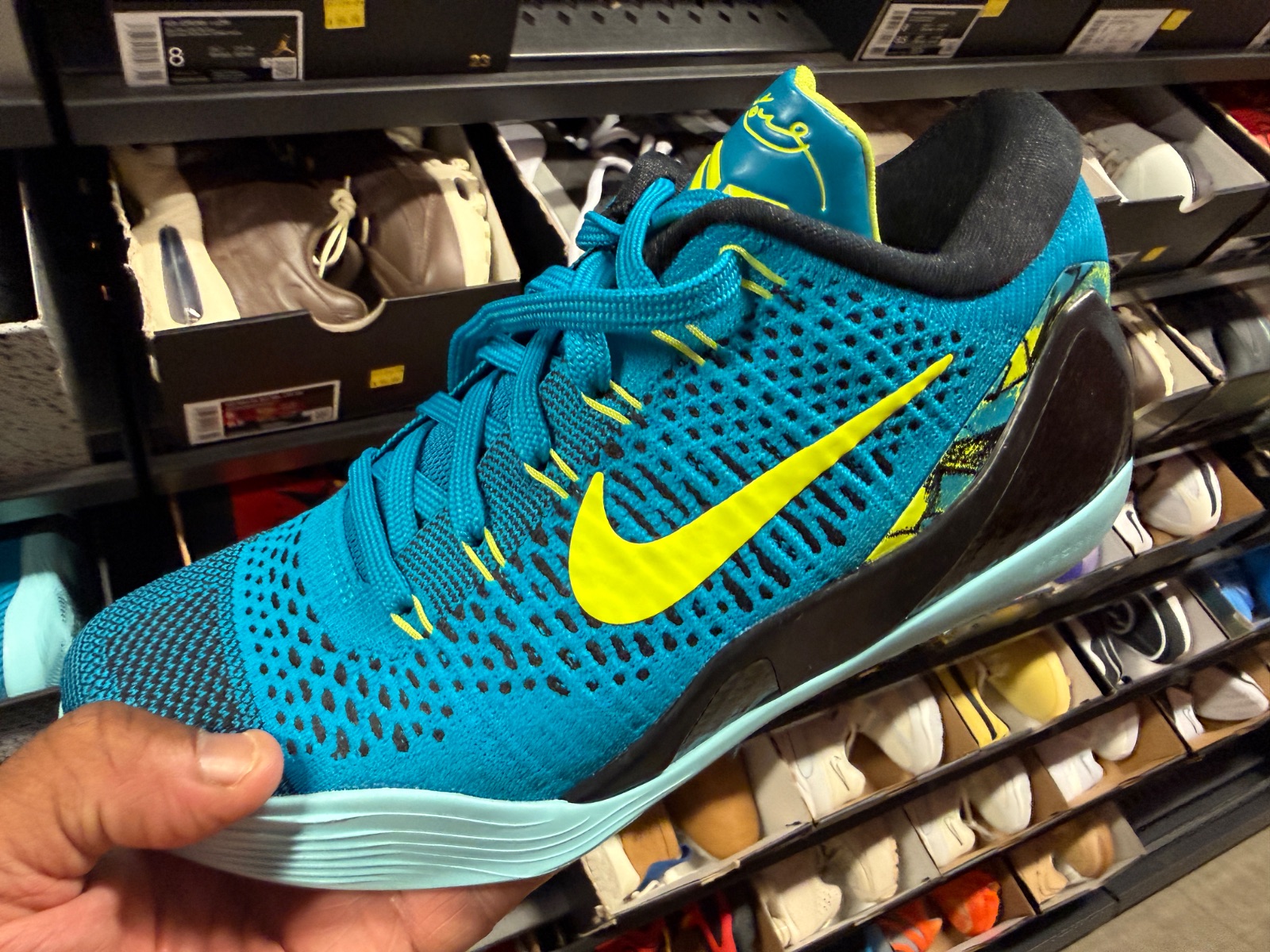
If you’ve stepped inside a Nike Factory Store or a local Nike Unite community store lately, you’ve probably noticed something that would have sounded completely unthinkable just a few years ago: rows upon rows of Nike Kobes sitting on shelves.
From Team Bank Kobe 8 Protro Lows to Kobe 9 Elite Highs, Protro 3s, and 2K4s, the market isn’t just healthy—it is completely flooded. Colorways that once commanded massive resale markups are now sitting, getting hit with $20 discounts, and heading straight to the hash wall.
How did we get here? To understand how Kobe Bryant’s signature line went from unobtainable holy grails to outlet clearance fodder, we have to look back at a formula Nike and Jordan Brand have used—and exhausted—several times before.
The Playbook: How Nike Creates (and Kills) Hype
When Nike finds a silhouette with high demand, they follow a predictable trajectory:
1. The Dunk Craze (2020 Pandemic Era)
During the pandemic, Nike hit gold with the Dunk Low. Everybody wanted them—especially the infamous “Panda” Dunk Lows. Nike saw the dollar signs and did what they do best: mass production. They pumped out every material, every high-top, mid, and low colorway possible.
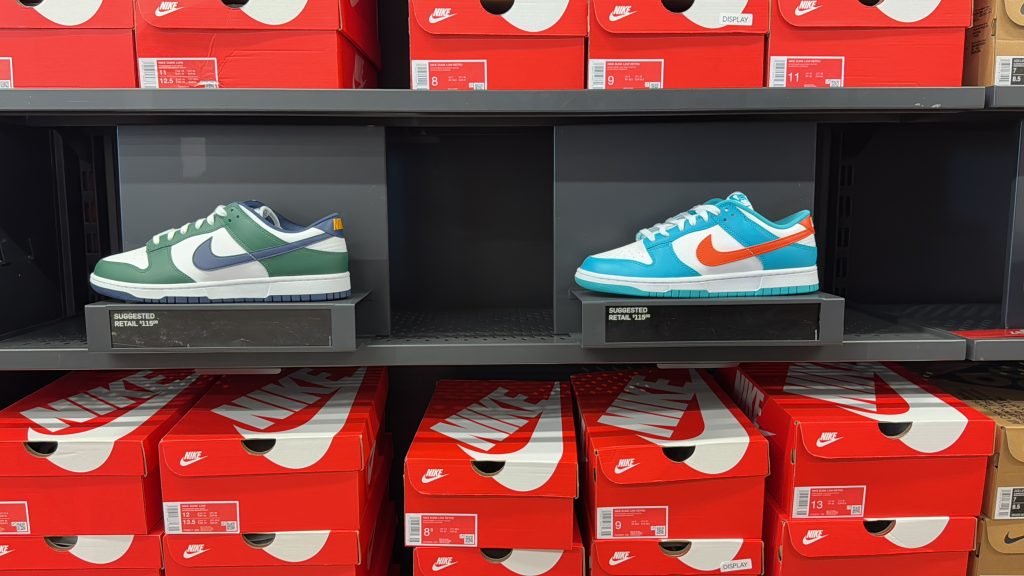
When the world opened back up, consumers realized they didn’t need ten pairs of the exact same shoe in slightly different colors. The market dried up, but Nike’s supply chain was already locked in. Millions of pairs landed on retail shelves with nowhere to go, eventually spilling into the outlets for aggressive markdowns.
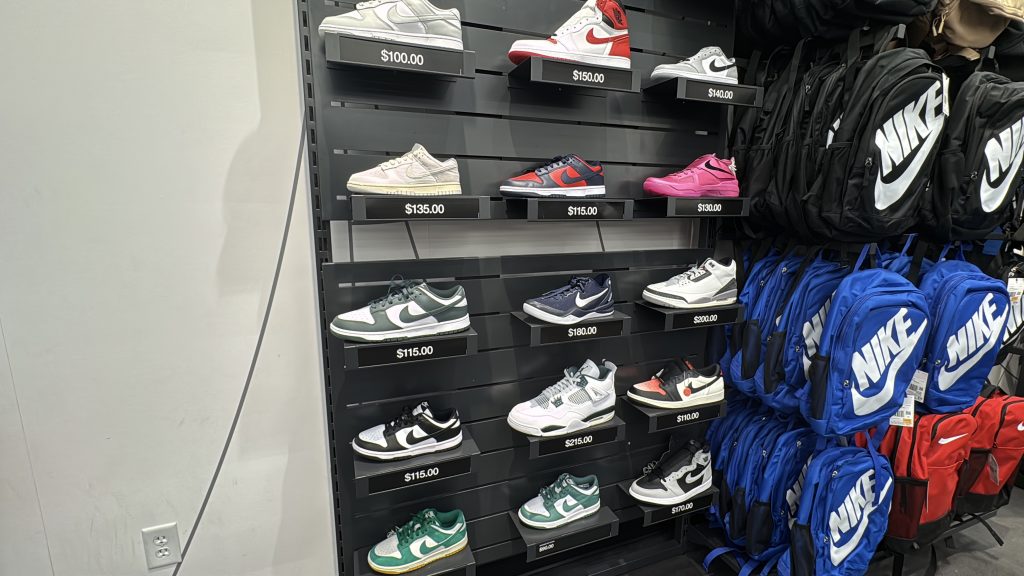
2. The Air Jordan 1 High OG Explosion
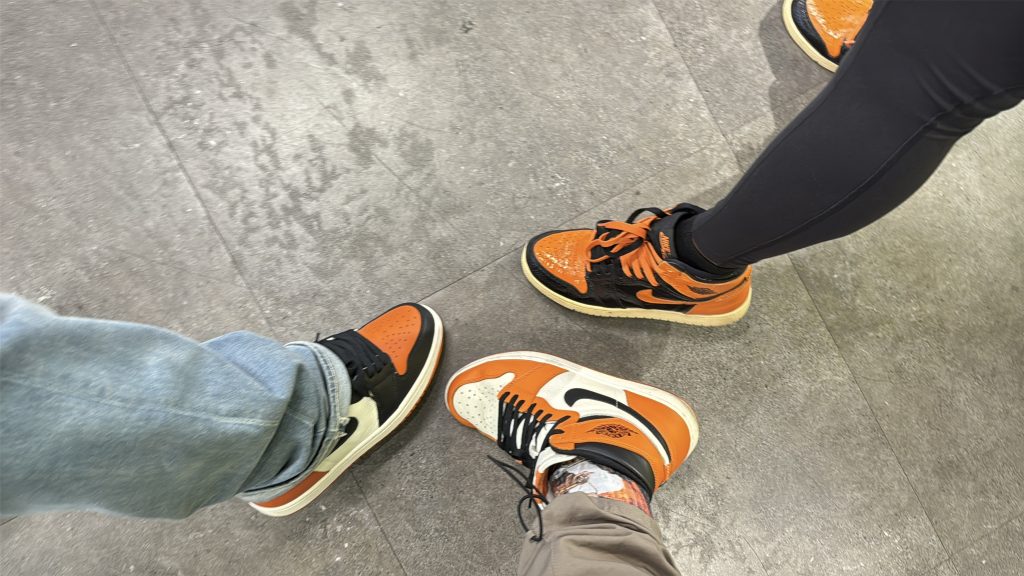
The exact same cycle hit the Air Jordan 1. Driven by the cultural phenomenon of ESPN’s The Last Dance documentary in 2020, the AJ1 High became the undisputed hierarchy of sneaker culture. Jordan Brand responded by flooding the market with Jordan 1 Highs, Mids, and Lows. Fast-forward to recent years: even OG-style colorways began sitting on shelves and landing in outlet bins at steep discounts.

The Kobe Boom and the 2020 Shift
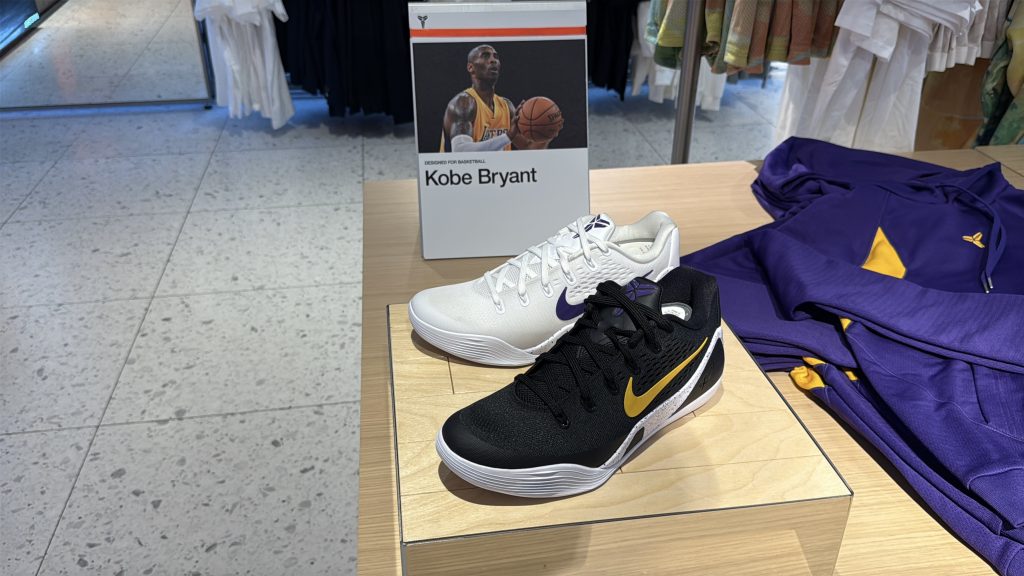
The story of the Kobe line followed a far more tragic and complex path.
Toward the end of his career around 2015–2016, Kobes were already premium-priced. They routinely retailed higher than standard Jordans, leading many casual buyers to pass on them. As a result, pairs frequently sat on clearance racks at Nike Factory Stores for under $100. For nearly four years after Kobe’s 2016 retirement, his signature shoes remained easily accessible.
Then came January 2020.
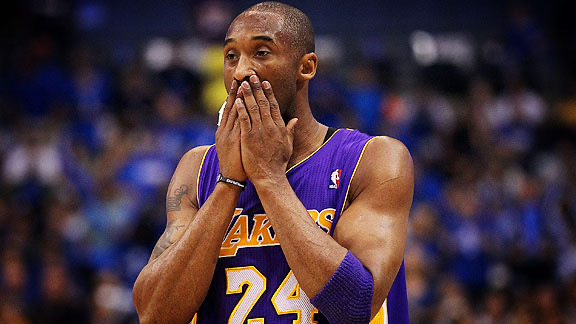
Following Kobe’s tragic passing, fans around the globe sought out his gear for nostalgia and memory. Outlets were wiped clean in less than a month. Resale prices skyrocketed overnight.
Recognizing an unprecedented surge in quarterly earnings potential, Nike saw an opportunity to capitalize on the demand. Even after contract friction and public debate over Kobe’s estate, Nike and Vanessa Bryant reached a new deal to bring Kobes back to the masses.
For years, every Protro, retro, and Team Bank drop sold out almost instantly—whether it was a Grinch, an Elite Protro, or a simple court colorway.
2025–2026: The Bubble Pops
The momentum finally ground to a halt.
Sell-through rates dropped, and shoes began spending significantly longer on retail shelves. As newer inventory arrived to join unsold stock, the overflow moved directly into factory and community stores like Nike Unite.
Unlike tourist-driven clearance outlets, Nike Unite locations cater directly to local, trendy neighborhood buyers. When performance basketball shoes—specifically Kobes—can’t sell in community hubs, it signals a complete market shift.
Today, the numbers speak for themselves. You can walk into an outlet and find:
- Kobe 8 Protro Lows (TB Red, Orange, Maroon, UNC Blue, Navy, Purple, Yellow/Black)
- Kobe 9 Elite Low Protros (“Halo”, “TB Orange”, “Black/Gold/White”, “Green/Teal Glow”)
- Kobe 9 High Elites
- Air Force 1 Low “Kobe Bryant” PEs
Prices on these pairs have plummeted, with many Team Bank colorways marked down below $100—and some dipping as low as $60 after additional stackable discounts.

What This Means for Sneakerheads
Are Kobes officially the new Dunks? The numbers certainly suggest it. While total Dunk production remains higher overall, the sheer density of Kobe releases over the past three years rivals the Air Jordan 1’s peak distribution.
If you are a true hoop athlete or a lifelong Kobe fan, this is your golden era.
The days of paying astronomical $300+ resale prices just to wear your favorite player’s shoes on the court are officially over. The overproduction bubble has popped, putting buyers back in control.
You can pick your favorite silhouette, choose your colorway, and buy at deep discounts. Kobes are accessible once again—just as they were meant to be.
For daily updates on store inventory, clearance steals, and price tracking across major Nike Factory Stores, keep it locked right here on outletplug.com.